
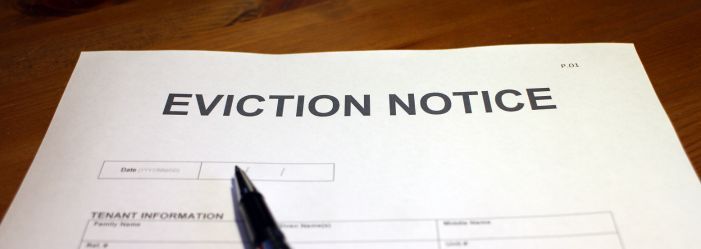
Who Has the Legal Authority to Evict a Tenant in Florida?
If you rent a home or apartment in Florida, it is important to understand who actually has the legal authority to evict a tenant. Many tenants receive eviction threats from people who do not have the legal right to remove them from their home. Florida law sets strict rules about who can evict a tenant and how an eviction must be carried out.
Who Can Legally Start an Eviction in Florida?
Under Florida law, only certain parties are allowed to initiate an eviction through the court system. These typically include:
- The property owner or landlord
- A licensed property manager acting on the owner’s behalf
- A person or entity with legal authority through ownership or a written contract
Someone who does not fall into one of these categories generally cannot lawfully evict a tenant, even if they collect rent or claim to manage the property.
Who Is Not Allowed to Evict a Tenant?
The following people do not have the legal authority to evict a tenant in Florida:
- A roommate or co-tenant
- A family member of the landlord without written authorization
- A former owner after the property has been sold
- A homeowners association (HOA) or neighbor
- A police officer without a court order
Lockouts, threats, utility shutoffs, or removing belongings without a court order are often considered illegal evictions.
Who Can Actually Remove a Tenant From the Property?
This is one of the most important facts for tenants to know:
Only the county sheriff is allowed to physically remove a tenant from a rental property in Florida.
Even if a landlord wins an eviction case, they cannot personally remove a tenant, change the locks, or force the tenant out. After a judge issues a final judgment, the court provides a Writ of Possession. Only the sheriff may execute that writ and remove the tenant if necessary.
Florida Evictions Must Follow a Legal Process
- Proper written notice to the tenant
- Filing an eviction lawsuit in court
- A final judgment from a judge
- Execution of the writ of possession by the sheriff
Skipping any of these steps may make the eviction unlawful.
What Should Tenants Do If Someone Tries to Evict Them Illegally?
- Do not leave the property voluntarily
- Document all threats or actions
- Ask for proof of a court order
- Contact a Florida tenant attorney as soon as possible
How a Florida Tenant Attorney Can Help
Understanding who has the legal authority to evict a tenant in Florida, and who can legally remove you, can help protect your housing rights. A tenant-focused attorney can identify illegal eviction attempts and guide you through your legal options.