
|
BLOG
News
GET THE LEGAL ASSISTANCE YOU REQUIRE AT THIS MOMENT
|
Understanding Tenant Defenses in Florida Eviction Cases
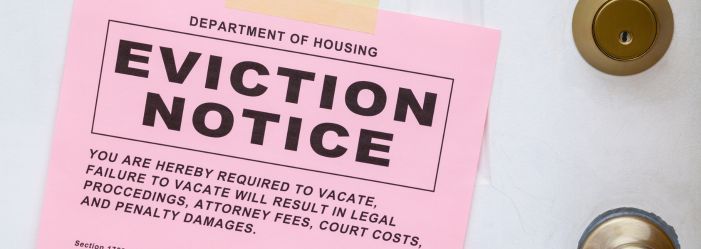
How Florida Tenants Can Challenge an Eviction in Court
Common eviction defenses every Florida tenant should know.
Many tenants believe that receiving an eviction notice means they must immediately move out. In reality, Florida law provides tenants with several legal defenses that may delay or stop an eviction when properly raised in court.
Improper Notice
Landlords must provide proper notice before filing an eviction lawsuit. Errors in timing, wording, or delivery of a 3-day or 7-day notice can result in dismissal of the case.
Landlord Retaliation
Florida law prohibits landlords from evicting tenants in retaliation for asserting legal rights, such as requesting repairs or reporting code violations. Retaliation can be a valid defense when supported by evidence.
Discrimination
Evictions based on protected characteristics are unlawful. If a tenant can show discriminatory intent, the eviction may be challenged under federal and state fair housing laws.
Habitability Issues
Tenants may defend against eviction if the landlord failed to maintain the property in a safe and livable condition. Issues such as lack of air conditioning, water damage, or infestations can be relevant if the tenant provided proper notice.
Rent Deposits into the Court Registry
When disputing unpaid rent, Florida tenants may be required to deposit rent into the court registry. This can pause eviction proceedings while the dispute is resolved.
Lease Violations by the Landlord
A landlord’s failure to follow lease terms — such as unlawful entry or shutting off utilities — may be raised as a defense during eviction proceedings.
Eviction cases are not always straightforward. If you are facing eviction and believe you may have a defense under Florida law, Korte & Associates can help evaluate your case and protect your rights.
Contact Us
Can I fight an eviction in Florida?
Yes. Florida tenants have legal defenses that may stop or delay eviction if properly raised in court. An eviction notice alone does not mean you must immediately move out.
What is an improper eviction notice under Florida law?
An eviction notice must meet strict legal requirements. Errors in timing, wording, service, or notice length (such as a defective 3-day or 7-day notice) can result in dismissal of the eviction case.
What is landlord retaliation in Florida?
Landlord retaliation occurs when a landlord tries to evict a tenant for exercising legal rights, such as reporting unsafe conditions or requesting repairs. Retaliatory evictions are prohibited under Florida law.
Find out if you have legal defenses in 2 minutes — take our free case evaluation at kortepa.com/free-case-evaluation