
|
BLOG
News
GET THE LEGAL ASSISTANCE YOU REQUIRE AT THIS MOMENT
|
What to Do When Your Landlord Won't Make Repairs in Florida
Florida law requires landlords to maintain rental properties in a safe and habitable condition. When a landlord ignores that obligation, tenants have real legal options — but they must follow the right steps to protect themselves.
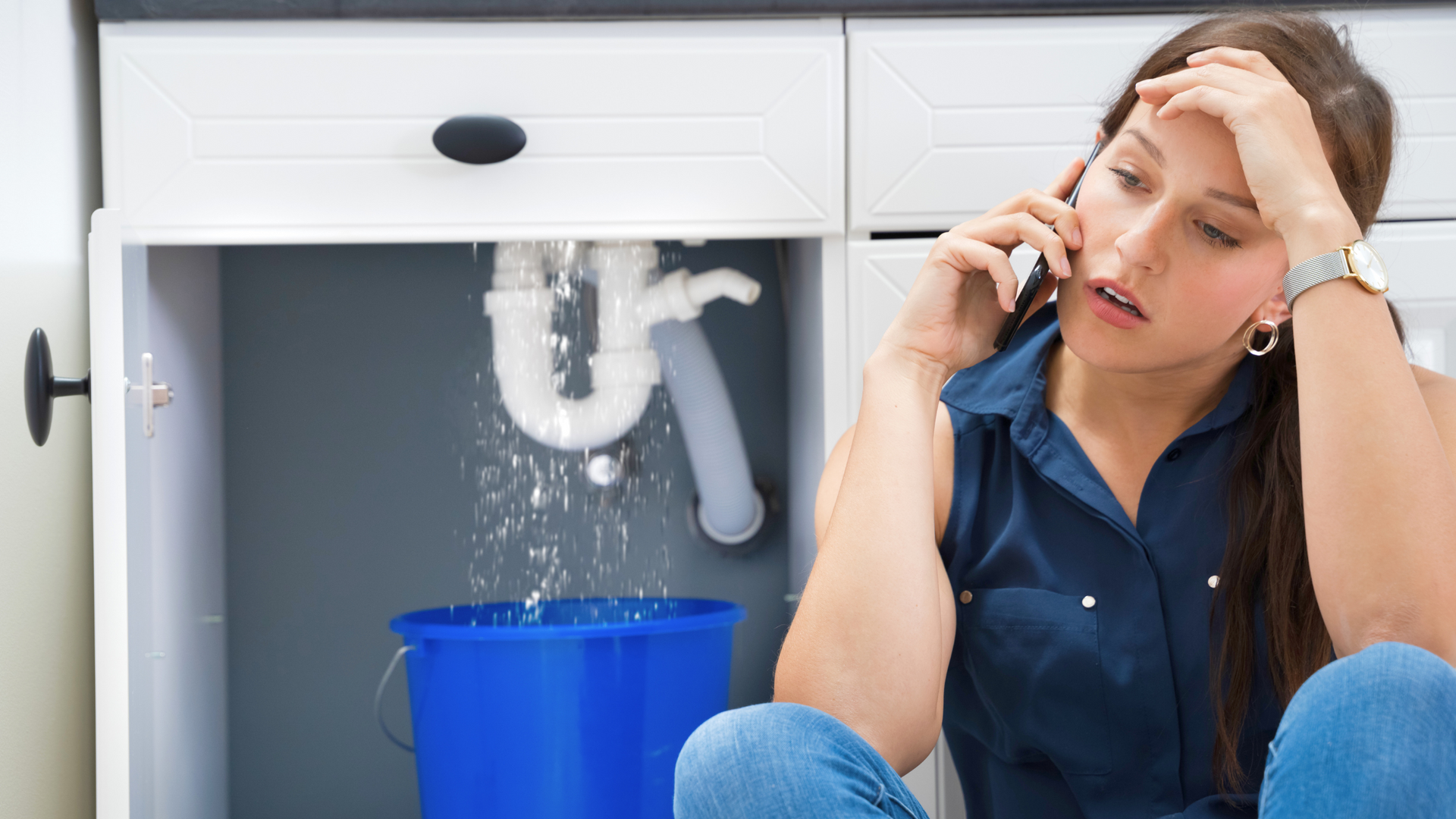
One of the most frustrating experiences a renter can face is a landlord who simply refuses to fix things. A leaking roof, broken air conditioning in Florida heat, a mold problem that keeps getting worse, plumbing that does not work — these are not just inconveniences. In Florida, they may be violations of your landlord's legal duty to maintain the property.
At Korte & Associates, we represent tenants across all 67 Florida counties who are dealing with exactly this situation. This guide explains what the law requires of your landlord, what steps you must take before pursuing legal action, and what your options are when a landlord continues to ignore your requests.
What Florida Law Requires of Your Landlord
Under Florida Statute §83.51, every residential landlord in Florida is required to maintain the rental property in a condition that meets applicable building, housing, and health codes. Where no code applies, the landlord must maintain the property in a condition that is reasonably fit for human habitation.
Specifically, Florida law requires landlords to maintain the roof, windows, doors, floors, exterior walls, and foundation in good repair, keep all plumbing and electrical systems in safe working condition, maintain heating and cooling systems where provided, provide pest extermination when infestations occur, maintain common areas in clean and safe condition, and provide functioning locks and keys.
If your landlord is failing to meet any of these obligations, you are not simply out of luck. Florida law gives you specific tools to respond — but you must use them correctly.
Step 1 — Put Your Request in Writing
Before you have any legal remedy available, you must notify your landlord of the problem in writing. A verbal complaint is not enough — and an unanswered text message may not be sufficient either. Florida courts expect to see a clear written notice that documents the problem and the date you reported it.
Your written notice should describe the specific repair needed in detail, state the date the problem began, request that the repair be made within a reasonable time, and be sent by certified mail with return receipt. This creates a paper trail that is admissible in court. Save a copy of the letter and the mail receipt.
Email can also serve as written notice in many circumstances, but certified mail is stronger evidence. If you have already sent a text or email and received no response, follow up immediately with a certified letter.
Step 2 — Give Your Landlord Reasonable Time to Respond
After receiving written notice, your landlord has a reasonable amount of time to make the repair. Florida law does not specify an exact number of days for most repairs, but courts generally consider seven days a reasonable timeframe for non-emergency repairs. Emergency conditions — such as no running water, sewage backup, or a gas leak — require a much faster response.
Document everything during this period. Take dated photographs and videos of the condition, keep copies of all written communications, note every date you contacted your landlord and what was said, and document any repair attempts that were incomplete or ineffective.
Step 3 — Know Your Legal Options If the Landlord Still Does Nothing
If your landlord fails to make required repairs after receiving proper written notice, Florida Statute §83.56 gives you several options. It is critical that you understand these options before taking any action — exercising them incorrectly can hurt your case.
Terminate the lease. If the landlord's failure to maintain the property constitutes a material breach of the rental agreement, you may have the right to terminate your lease and vacate the property without penalty. You must follow the correct notice procedures under Florida law before doing so.
Withhold rent. In certain circumstances, Florida law allows tenants to withhold rent when a landlord fails to maintain the property. However, this remedy must be exercised very carefully — depositing the withheld rent into the court registry is required in some situations, and withholding rent incorrectly can result in an eviction judgment against you. Do not withhold rent without speaking to an attorney first.
Sue for damages. If the landlord's failure to maintain the property has caused you financial harm — such as property damage, medical expenses related to mold exposure, or costs of temporary housing — you may have a claim for damages in court.
Report to local code enforcement. Every Florida county has a code enforcement or building department that investigates habitability complaints. Filing a complaint creates an official record and may prompt faster action from your landlord. Note that a landlord cannot legally retaliate against you for reporting code violations.
What Not to Do
Just as important as knowing your options is knowing what to avoid.
Do not stop paying rent without legal advice. Withholding rent without following the correct legal procedure is one of the most common mistakes tenants make — and it often results in an eviction filing that overshadows the original repair dispute.
Do not make the repairs yourself and deduct the cost from rent unless you have confirmed this is permitted under your lease and Florida law in your specific situation.
Do not move out without following proper notice procedures. Abandoning the property without legal justification may expose you to liability for remaining rent under the lease.
Do not ignore an eviction notice if your landlord files for eviction in response to your repair complaints. Retaliatory eviction is illegal in Florida, but you must appear in court and raise that defense — it will not be assumed.
Retaliatory Eviction — Know Your Protection
Florida Statute §83.64 specifically protects tenants from retaliation. A landlord cannot evict you, raise your rent, or reduce your services because you reported a code violation, complained about habitability, or contacted a government agency about conditions in your home.
If your landlord takes any of these actions within a certain time period after you exercised your legal rights, Florida law presumes the action is retaliatory. This presumption can be a powerful defense in an eviction case and the basis for a separate legal claim.
Frequently Asked Questions
My landlord says the repair is my fault. What do I do? Document the condition thoroughly with photographs and video. If the damage was caused by normal wear and tear or a pre-existing condition, your landlord is responsible for the repair regardless of what they claim. An attorney can help you respond to this situation.
Can I call a repair person myself and send my landlord the bill? In limited circumstances Florida law may allow this, but the rules are specific and the risk of doing it incorrectly is high. Speak with an attorney before taking this step.
My landlord is threatening to evict me for complaining about repairs. Is that legal? No. Retaliatory eviction is illegal under Florida Statute §83.64. If you believe you are being evicted in retaliation for requesting repairs or reporting code violations, contact us immediately.
What if I am in a month-to-month tenancy with no written lease? Florida's habitability requirements apply to all residential tenancies regardless of whether there is a written lease. Your landlord's obligations are the same.
How long do I have to take action? Florida's statute of limitations for landlord-tenant claims varies depending on the type of claim. Do not wait — the longer a habitability problem goes unaddressed, the more it affects your health, your property, and your legal position.
The Bottom Line
A landlord's failure to maintain your home is not something you have to accept. Florida law gives tenants meaningful tools to force action — but those tools must be used correctly and in the right order. The most important first step is always a written notice sent by certified mail.
If your landlord has ignored your repair requests, contact Korte & Associates for a free consultation. We represent tenants throughout all of Florida and can help you understand your options before you take any action that could affect your case.
Call (561) 228-6200 or schedule online at calendly.com/bkorte-kortepa.
Find out if you have legal defenses in 2 minutes — take our free case evaluation at kortepa.com/free-case-evaluation